On a spring afternoon in April 2025, in a studio in Islington, Takenya Holness picked up some markers and began to tell us a story. This was the setting for Tell a Tale, a mixed media series from Àse exploring the creative minds of artists and the experiences that shape what they make.
The idea behind the series was simple: every artist carries a story. Some come from their own lives, pivotal moments that changed the way they see or create. Others are passed down through generations as myths, memories and tales that quietly find their way into the work. In each session, an artist answered our questions while adding their own style to a large-scale mural. The intention was for every section to come together as one collaborative piece, a reminder of how deeply our stories are connected and of the very question Àse was founded upon: how art can speak in a language understood by all.
In our conversation, Takenya reflects on where she comes from, the first thing she ever created, the stories that keep resurfacing in her work, and how art can bridge past and present generations. We also asked what her part of the mural might say about herself if viewed on its own.
Tell a Tale has since been archived, but the stories it gathered remain. We share this conversation from the Àse Gallery Digital Archive as part of an ongoing record of the artists and ideas that shaped Àse’s beginnings.
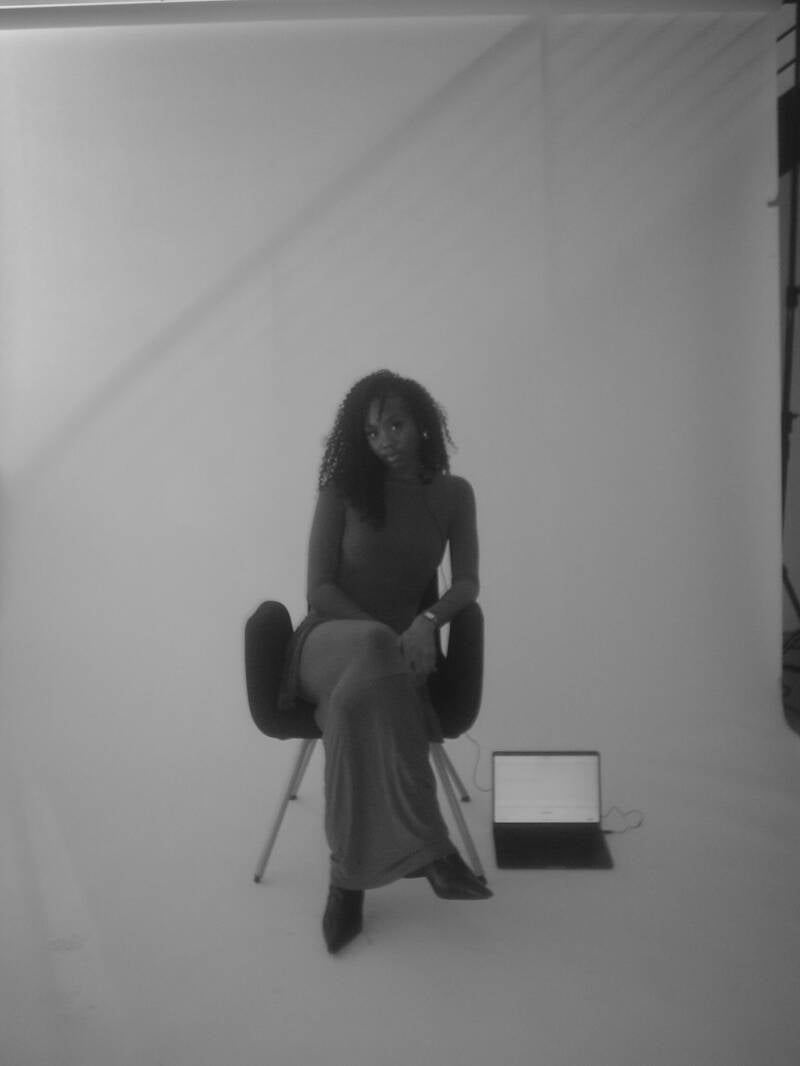
"[Takenya] is my birth name. It’s quite a rare name, and I think fewer than 100 people in the world have it. The Indigenous meaning is a falcon swooping on its prey, so it’s quite a powerful name. I think it reflects me and my work. I’m someone who leads, and I hope to document powerful narratives."
"In 2023 I found out that my dad had died five years earlier. We weren’t close, but I went back to Jamaica to see his grave and meet family I didn’t know existed. Being there, I had this overwhelming feeling that I was home. In London I’d always felt a bit discouraged, but in Jamaica I couldn’t put my camera down. It showed me I wanted to document everyday life and culture.
I don’t want Blackness to be a performance. In editorial photography there’s pressure to present it a certain way: be political, have flowers in our afros, wear a bright dress. In Jamaica, everyone was just existing, and that was beautiful and powerful enough. The trip came out of a sad situation, but I left feeling complete and whole, and excited to do the work I’m doing now."
How do you balance personal storytelling with representing larger cultural narratives?
"Cultural narratives are at the forefront of what I do, and as a Black woman it’s vital that I safeguard the communities I document. My personal touch is in my composition and colour, since colour evokes memory and a warm feeling. My interest is the built environment, which is why my project Dwellings documents Jamaican architecture and how cultural identity is preserved through the home. When I’m documenting, I try not to interfere and just let the story unfold. It’s very intuitive. I always say photography dares you to notice. I’m not creating anything. It already exists, and I have the chance to capture it if I’m open enough to notice."
Why is documenting Jamaican stories so important to you?
"Being part of the diaspora, I’ve noticed there are only filtered accounts of our history, or stigmas attached to our culture. I’m tired of hearing only about Bob Marley, jerk chicken and carnival, because there’s so much more: the Maroon communities, Rastafari as a religion and a way of living from the land. Jamaica has the most churches per square mile in the world. As someone born there, being boxed in like that is insulting, so that’s the core of what I do. I want to document cultures and communities around the world. Why not start with my own?"
In one sentence of ten words, how would you describe yourself?
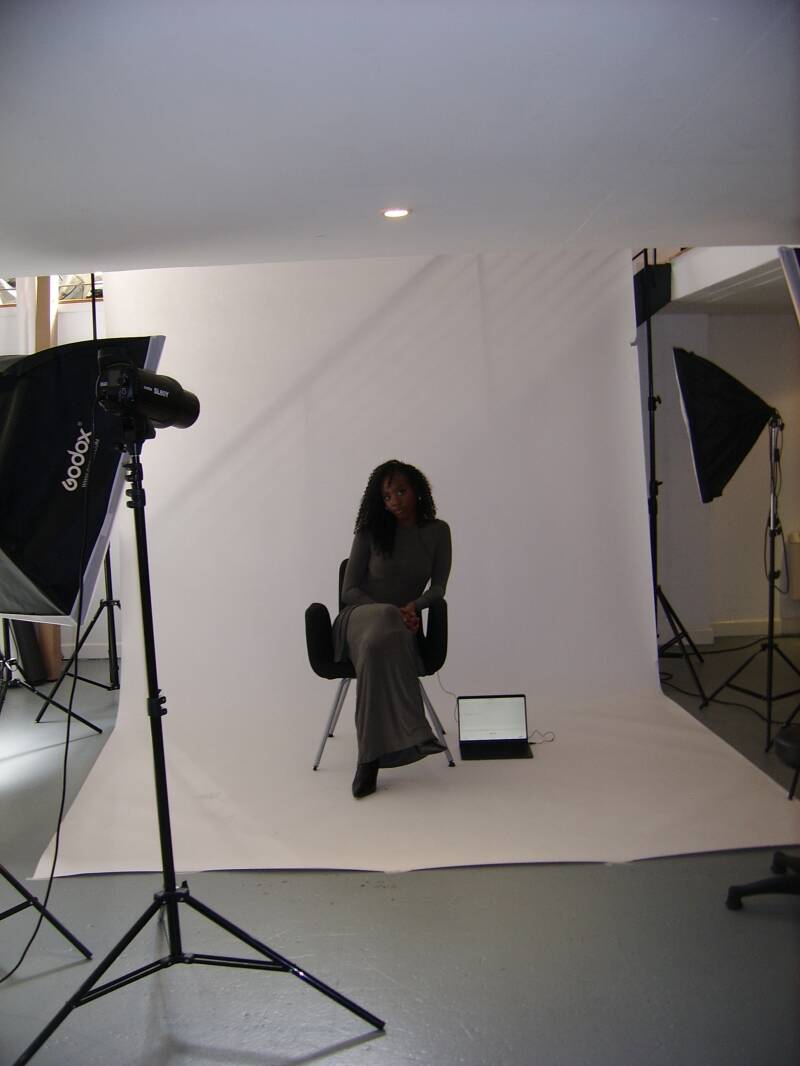
"I’m an island girl: passionate, intentional, focused, driven. And my work is a patient study of colour, culture and community."
Images © Àse Gallery. Artworks © Takenya Holness. All rights reserved. No part of this content may be reproduced without prior written permission.
Add comment
Comments